The Application of Gelatin in Jelly Manufacturing
Introduction
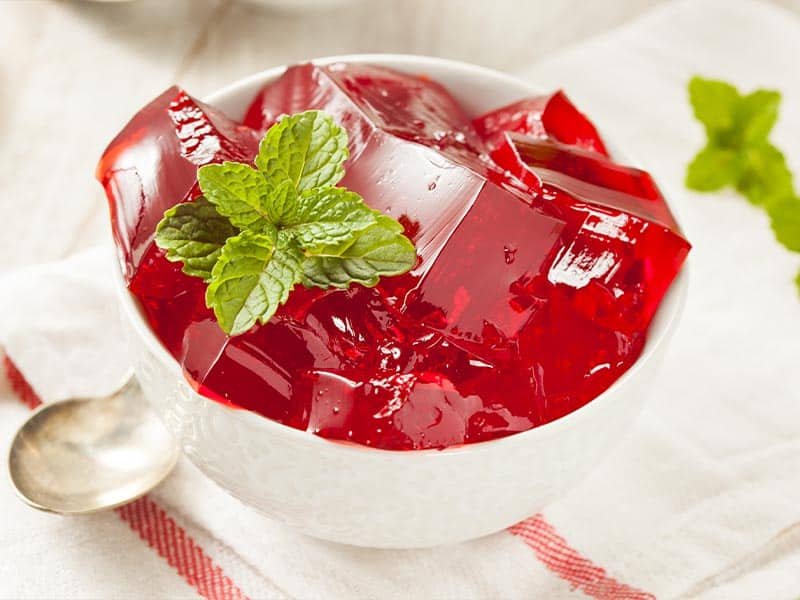
Gelatin, a translucent, flavorless substance derived from collagen (typically from animal connective tissues), is one of the most widely used gelling agents in the food industry. Among its many applications, gelatin is particularly essential in the production of jelly — a sweet, semi-solid dessert that depends on gelatin for its characteristic texture and stability.
1. Functional Role of Gelatin in Jelly
In jelly products, gelatin performs several critical functions:
a. Gelling Agent
Gelatin’s primary role is to form a thermo-reversible gel when dissolved in hot water and cooled. This gives jelly its firm yet elastic texture, allowing it to hold shape while remaining soft and palatable.
b. Texture Enhancer
The texture of jelly can be adjusted by modifying the gelatin concentration:
-
Lower concentration yields a soft, delicate gel.
-
Higher concentration gives a firmer, more stable structure.
c. Stabilizer
Gelatin helps stabilize the water and sugar in jelly formulations, preventing syneresis (water separation) and improving shelf life.

2. Gelatin Concentration in Jelly Production
Typical usage levels of gelatin in jelly range from:
-
0.5% to 3.0% by weight, depending on the desired firmness.
The preparation generally involves:
-
Dissolving gelatin in hot water (around 60–70°C).
-
Mixing with sweeteners, flavors, and colors.
-
Cooling to allow the gel to set (usually below 10°C).
3. Advantages of Using Gelatin in Jelly
-
Thermo-Reversible Gelling: Gelatin gels can melt when heated and re-gel upon cooling, which is ideal for chilled desserts.
-
Clean Flavor Release: Unlike some plant-based gums, gelatin does not interfere with flavor perception.
-
Glossy Appearance: Gelatin gives jelly a clear, glossy look, enhancing visual appeal.
4. Limitations and Alternatives
Although gelatin is highly effective, it has certain limitations:
-
Animal Origin: Unsuitable for vegetarians, vegans, and some religious dietary laws.
-
Heat Sensitivity: Excessive heat can break down gelatin’s structure.
Common alternatives include:
-
Agar-agar (from seaweed) – for vegan/vegetarian options.
-
Pectin – often used in fruit jellies.
-
Carrageenan – another seaweed-derived stabilizer.
However, these alternatives differ in texture and gelling behavior.
5. Innovations in Gelatin-Based Jelly Products
Recent developments in food technology have expanded the use of gelatin in:
-
Functional jellies (with vitamins, collagen, or probiotics).
-
Sugar-free or low-calorie jellies using gelatin and alternative sweeteners.
-
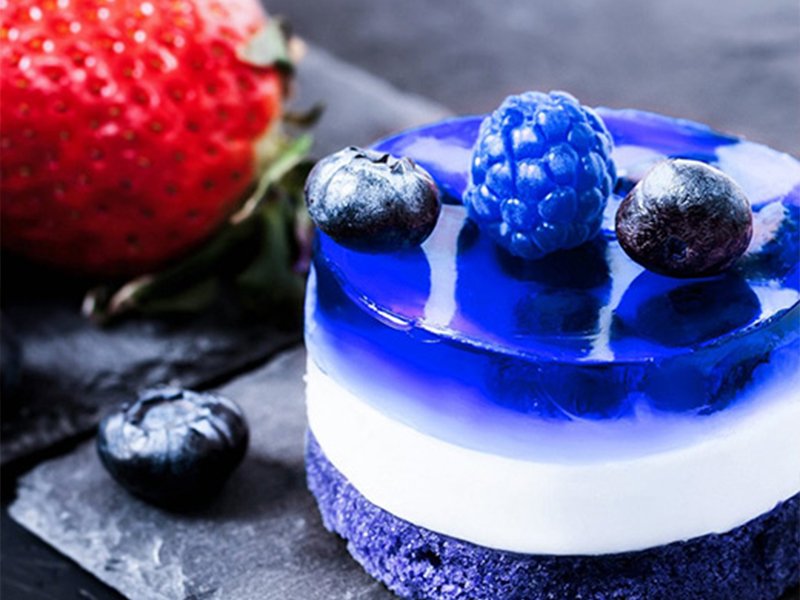
Layered or multi-texture jellies combining gelatin with other hydrocolloids.